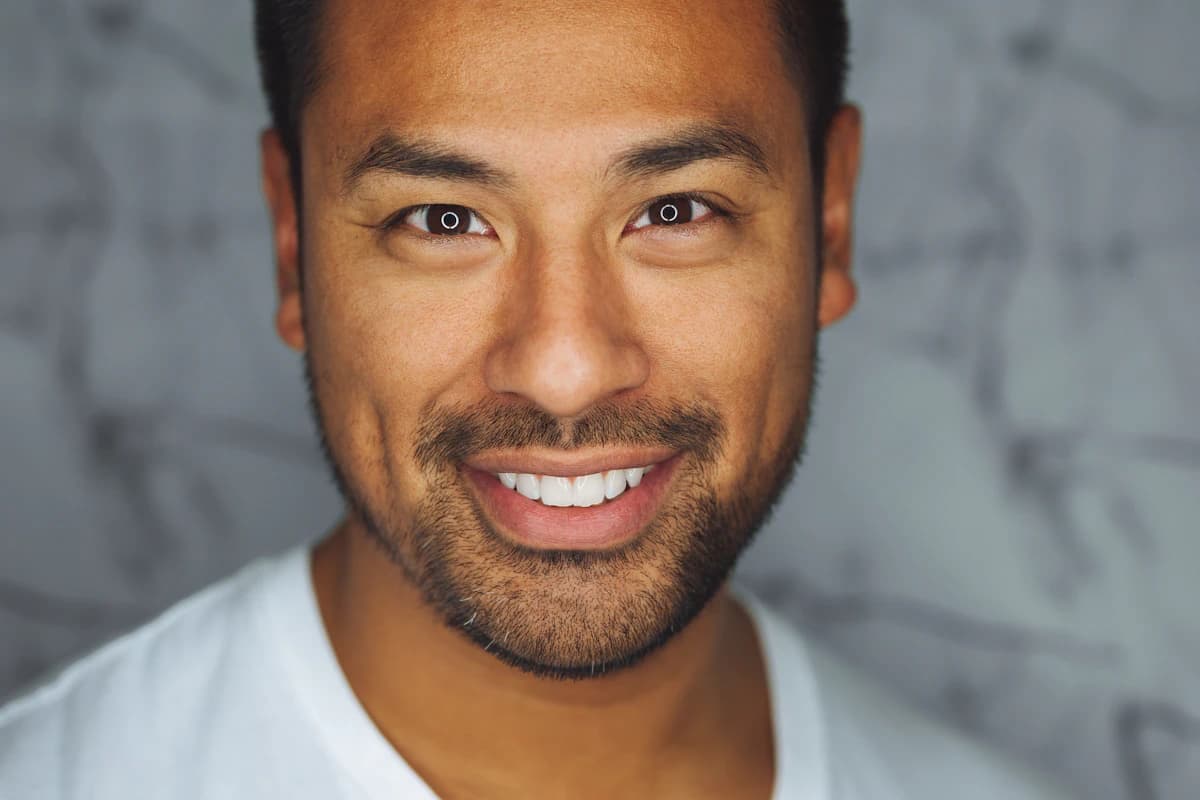
Modeling digitals — still called "polaroids" from the instant-camera days — are simple, unedited phone photos that show an agency exactly what you look like right now. No makeup, no filters, no professional photographer. They're the first thing every agency reviews, and most submissions fail on the basics, not on looks. Here's the exact formula.
The 5 shots every agency expects
Agencies vary slightly, but this set covers virtually every open call: a front-facing headshot with a neutral expression, the same headshot smiling, a left and right profile of your face, a full-body shot facing the camera, and a full-body side view. Shoot them vertical (portrait orientation), and keep your hair pulled back off your face in at least the headshots — agencies need to see your bone structure and hairline.
What to wear for digitals
The unofficial "model uniform": a fitted black or white tank top with dark fitted jeans. Women can add heels; men go barefoot or in plain sneakers. The single rule behind it — your outfit must show your real proportions. Baggy clothing, busy patterns, and layers all hide the exact information the agency is trying to read. Skip jewelry, hats, and visible logos entirely.
Lighting and background
Stand facing a large window on an overcast day — soft, even, natural light with no harsh shadows. Avoid direct sunlight, overhead bathroom lighting, and ring lights (agencies recognize the telltale eye reflection). The background should be a plain, light-colored wall with nothing else in frame. Have a friend shoot from chest height, phone held straight, about two to three meters back for full-body shots.
The mistakes that get digitals rejected
The fastest ways to get skipped: any retouching or filter (agencies check, and an edited "natural" photo reads as dishonest), makeup beyond the bare minimum, dramatic posing copied from editorials, cropped or horizontal photos, mirror selfies, and outdated photos. Digitals have a shelf life — resubmit fresh ones roughly every three months, or after any change to your hair, weight, or skin.
Posing: less than you think
Stand relaxed with your arms loose at your sides, weight even, shoulders back but not forced. For profiles, look straight ahead — not at the camera. The neutral headshot should be genuinely neutral: no smize, no head tilt, no angles. Agencies are measuring facial symmetry and proportions, and a straight-on, expressionless frame is what makes that measurable.
Before you shoot: know where you stand
Digitals are step three of the process — step one is knowing whether your features are competitive for the category you're targeting, which we cover in our full guide on how to become a model. A quick objective check first: take the modeling potential test to see your feature breakdown and percentile before you invest an afternoon shooting. If your scan shows standout symmetry or bone structure, lead with clean headshots that show it.